
Where Thin Air Shapes Bold Flavor
Today we explore High-Altitude Terroir: Artisan Cheesemaking, Charcuterie, and Foraging, tracing how thin air, intense sun, and wild botanicals shape milk, meat, and the mountain pantry. From creameries perched above cloud lines to hidden glades rich with flavor, expect practical guidance, lived stories, and invitations to taste, share, and experiment together.

Elevation’s Quiet Alchemy
Altitude changes everything: barometric pressure alters fermentation rhythm, ultraviolet light concentrates plant aromatics, and diurnal swings buffer acidity in milk. These forces rewrite flavor, texture, and ripening timelines, rewarding patience and observation. Share your mountain, hill, or plateau experiences below, and let’s compare notes on how landscape, climate, and craft meet in unforgettable bites.


Crafting Cheese Above the Clouds
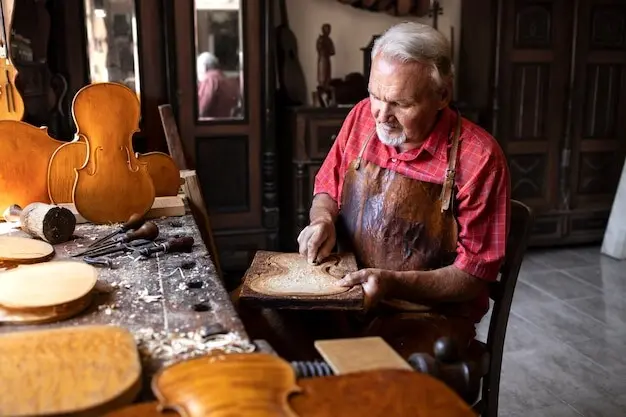
Small-batch makers adapt milking schedules, cultures, and aging rooms to shifting mountain weather. Morning stillness favors delicate make steps; afternoon warmth invites bolder acidity development. Natural caves cradle rinds while wooden boards guide microflora. Expect fewer shortcuts, deeper attention, and results that taste like wind, light, and stone married gently to milk.
Dawn collections preserve fragile aromatics and balanced proteins before sunlit pastures nudge lactic activity. Gentle filtration, careful cooling, and clean transfers prevent stress that can mute complexity. Recordable routines matter: the same hill path, milking order, and vat heat-up create dependable texture. Share your sunrise rituals, and we’ll help refine timing and touch.
Choose cultures tolerant of cooler nights and variable humidity, then dose rennet to favor resilient, elastic curds rather than brittle ones. Stir less, cut thoughtfully, and allow acidity to arrive unhurried. When microflora sing softly, a longer rest often yields finer grain. Comment with your favorite strains for altitude, and we’ll compare notes.
Rocky caves, timber shelves, and breathable cloth create rinds tasting of rain and lichen. Brine washes invite friendly yeasts; infusions of spruce tips or juniper add resinous lift. Rotate wheels patiently to balance drainage and bloom. Photograph your rind evolution, tag the conditions, and watch how a community of caretakers shapes flavor.
Curing Meat in Thin, Dry Air
Lean breezes hasten drying, but haste can crust surfaces and trap moisture inside. Success lies in humidity control, steady airflow, and mindful salting calibrated to altitude. Traditional speck, bresaola, and mountain sausages thrive when spice, smoke, and patience converge. Share your chamber setups and questions; we’ll troubleshoot gradients, molds, and timing together.

Designing a Reliable Mountain Curing Room
Anchor humidity with evaporative pans, ultrasonic support, or humidifier controls; cushion drafts using baffled vents. Monitor temperature daily, mapping seasonal shifts. Weight logs track water loss curves, signaling safe progress. Calibrate sensors monthly. Post photos of your racks and airflow paths, and we’ll suggest tweaks to prevent case hardening and encourage uniform drying.
Spices, Smoke, and Resinous Winds
Juniper, mountain thyme, and crushed coriander convey altitude’s clarity. Light cold-smoke with beech, apple, or delicate conifers for wisps, not blankets. Balance salt with subtle sweetness to keep proteins supple. Taste often, adjust gently, and write everything down. Tell us your spice ratios and woods, and crowd wisdom will refine the next batch.
Safety That Honors Tradition
Respect salt percentages, starter cultures, and nitrite regulations where applicable, then verify with pH and water activity. Trim dubious mold promptly; favor stable white growth. Keep knives, hooks, and twine immaculate. Regular tastings catch trajectory changes early. Ask candid safety questions in the comments; collective vigilance preserves heritage while guarding every table.
Gathering the Wild Pantry
Foragers read altitude by flavor: tart sorrel, citrusy spruce tips, sweet bilberries, peppery watercress, and mushroom perfumes after cool rains. Ethical harvests leave roots, share with wildlife, and avoid protected pockets. Pair finds with fresh curds, aged wedges, and cured slices for plates that taste like weather and wander. Share field notes often.
Boards, Baskets, and the Alpine Table
Compose plates that move from bright, lactic openings to buttery middles and crystalline finales, with charcuterie and wild condiments guiding the arc. Play with warm and cool, crunch and cream, smoke and bloom. Invite friends, pour something mountain-kissed, and talk about the view in every bite. Post your favorite board layouts below.
People, Places, and the Long View
A Dawn with the Herds
Mist lifts, bells answer each other, and milk warms the pail while waxwings chatter. The herder notes which slope the goats favored and how clover lingered longer than last year. Later, that entry guides make decisions. Share your pasture journals, even short ones, and we’ll help translate observation into delicious, repeatable craft.
The Cave Keeper’s Log
A humidity swing, a lemony bloom on one side, a shy rind on another: the logbook catches nuances memory forgets. Weekly photographs, salt schedules, and tasting snippets map progress. Post your tracking templates or questions, and we’ll build a simple, resilient system to steward character without smothering it under rigid rules.
Lessons from a Patient Forager
There is a rhythm to staying curious, identifying slowly, and harvesting with restraint so abundance returns. Favorite spots are earned by footsteps, not secrets. Leave a little always. If you’re new, ask openly; veterans, mentor kindly. Share a beginner’s joy or an expert’s wisdom today, and strengthen the generosity that flavors every mountain table.